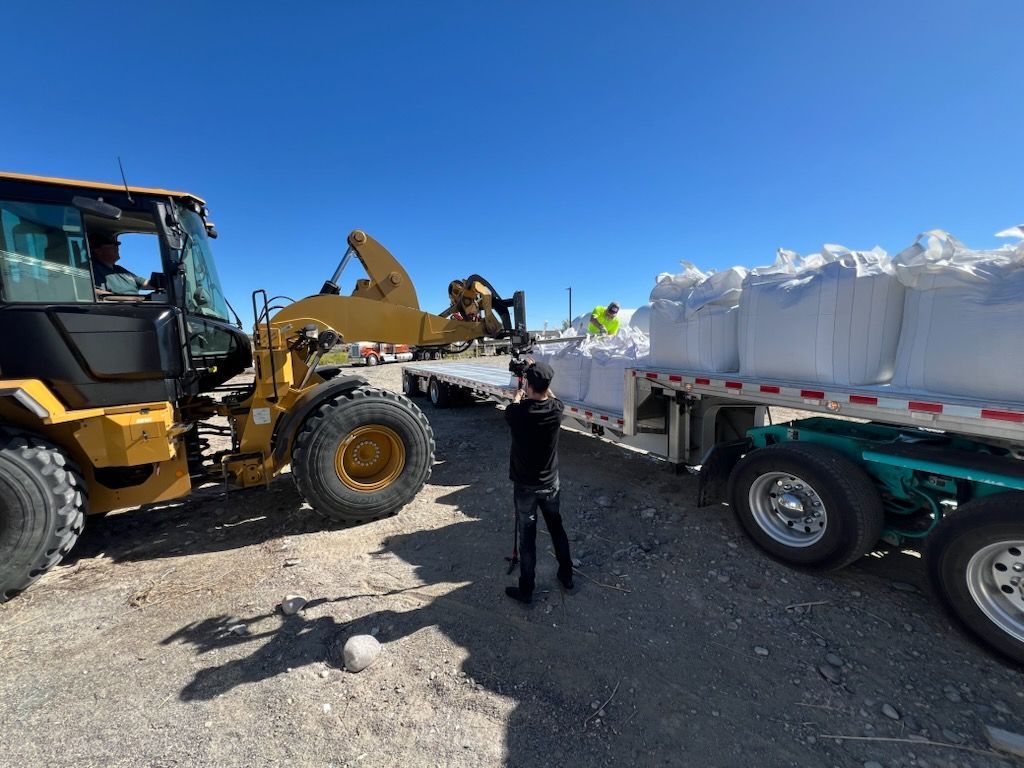
The trip started at the edge of the Great Salt Lake, where they harvest minerals straight
out of the water. I didn’t think too much about the harvesting at the time. I was just
soaking up the vastness of the Great Salt Lake, something I had never seen before. It
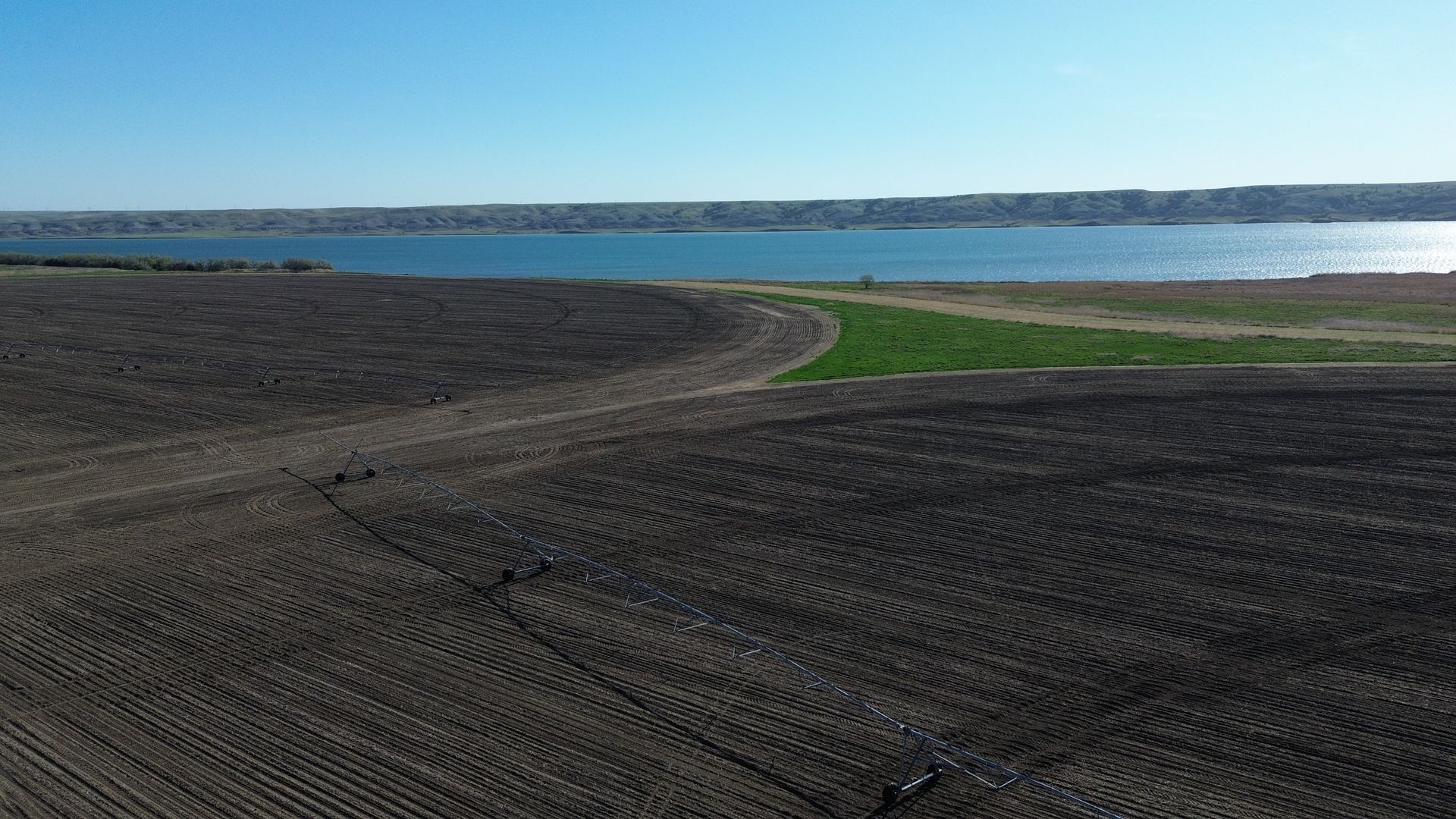
was only later, standing in a field in Wyoming, that the connection clicked. Those same
kinds of nutrient rich minerals are part of how the land gets brought back to life.
I went because my friend Aaron invited me. Aaron is, and I mean this with love, a seven
foot tall teddy bear with a heart big enough to carry a whole cause. That cause is
restoring Native lands, and he does the work through TC Alliance Foundation.
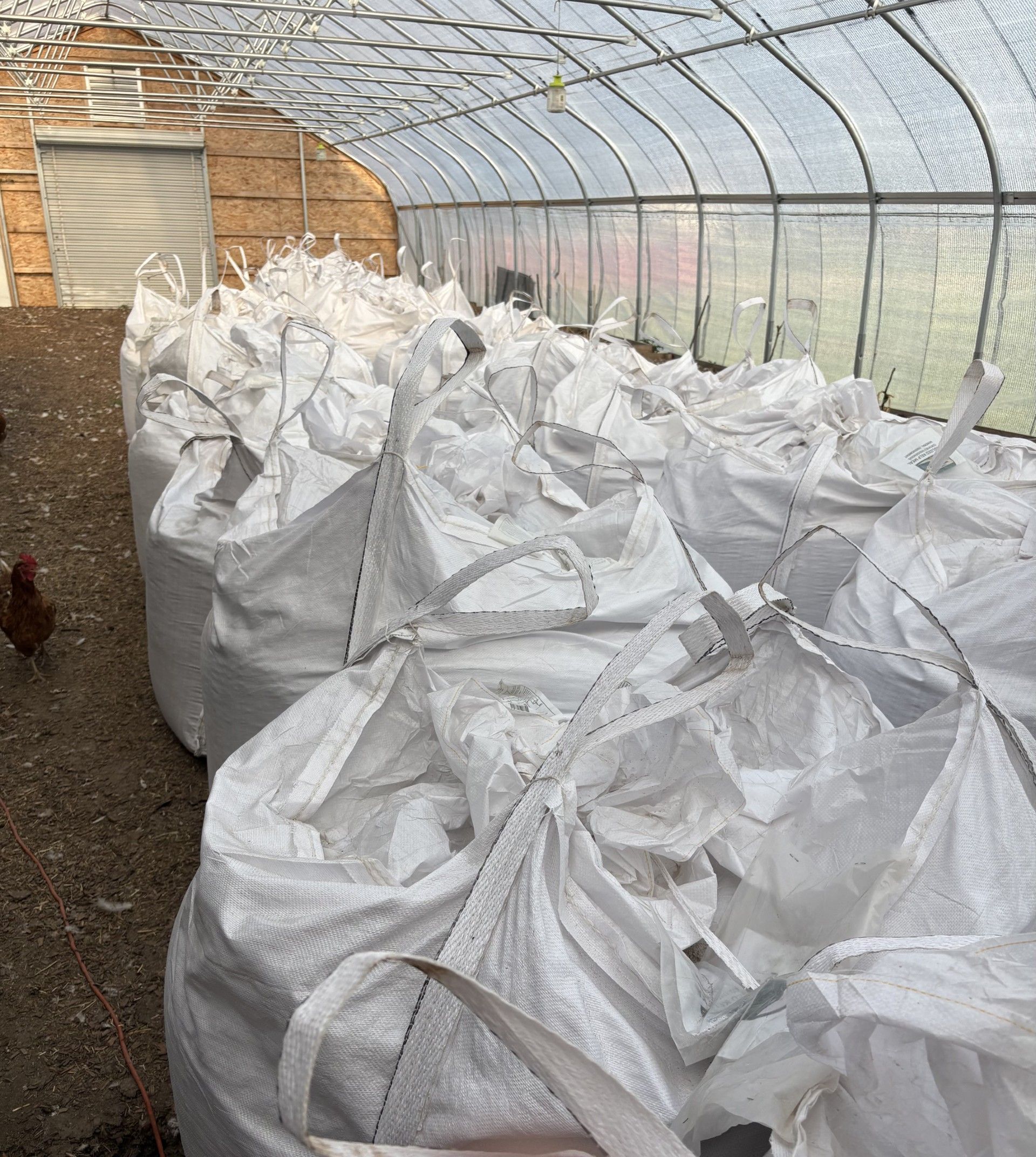
The Terra Community Alliance Foundation partners with Indigenous nations to heal degraded ground,
using those mineral rich amendments and regenerative practices to rebuild soil that can
actually grow food again. What I love about how they work is that they don’t show up
acting like they have all the answers. They blend ancestral wisdom with scientific
research, treating the Traditional Ecological Knowledge of the people as the expertise it
has always been. When Aaron asked if I wanted to come to the Native American Climate
Summit in Riverton, UT, I said yes before I really understood what I was saying yes to.
The summit hit harder than I expected. I came in thinking I’d learn about climate
change, and I did. Drought, dry land, wildfires, the slow squeeze of food shortages. However,
the thing that stayed with me is that for the Arapaho and Shoshone, none of those are
separate problems. They are all the same fight, and the name of that fight is sovereignty.
Food security is sovereignty. Healthy soil grows good grass, good grass feeds the herds
and the people, and water that isn’t being diverted somewhere else makes a whole
community thrive.
That word kept coming back. Water. One of the elders told me their word for it
translates to gift of life, the thing that ties everything above and below together. And it is
still being taken. On the drive out to the buffalo farm an elder pointed through the
window and said it plainly. Anything green to the right is theirs, the white man’s.
Anything that is sagebrush is ours. You could see generations of injustice from the
passenger seat. The Big Horn water rights case of 1977 is, in every way that matters, still
being fought right now.
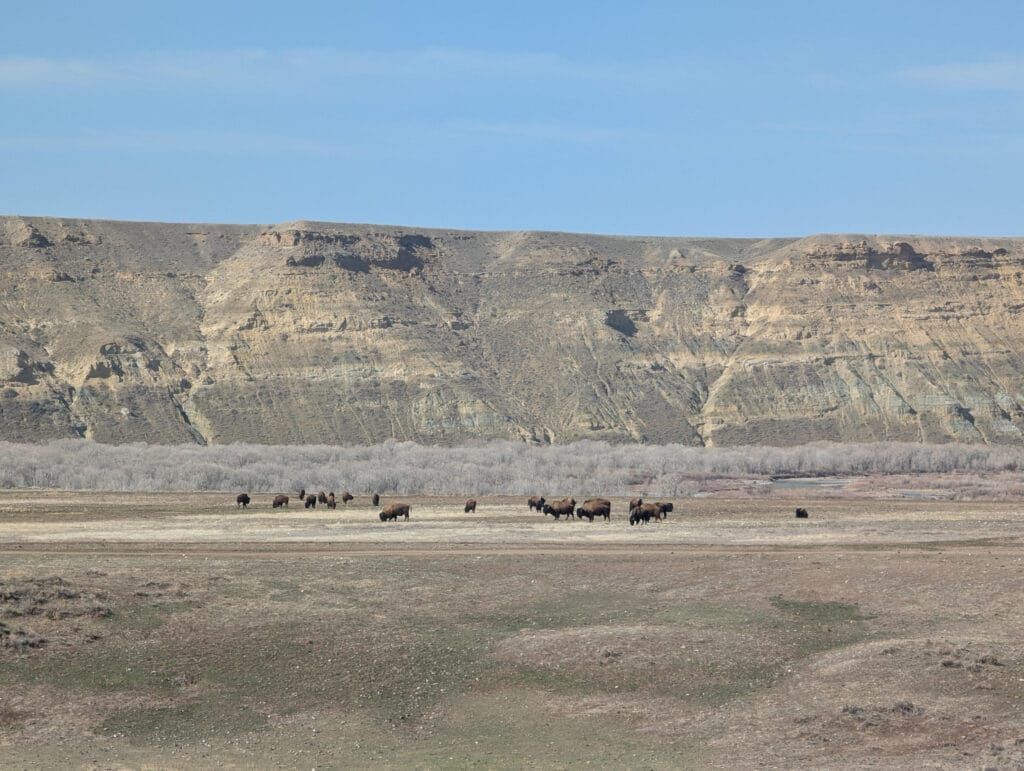
Then there was the buffalo. Standing in front of the Shoshone herd, three hundred head
of them, listening to people talk about what these animals mean to them, I finally felt
the weight of it. The suffering the white man caused here is not history. It is present
tense. But so is the other thing I saw, this fierce and patient determination to come back
to the old ways, to build up tribal capacity, to raise the next generation of leaders and
leave them something worth inheriting.
What moved me most was simply being allowed to sit with the elders and learn.
Wyoming is vast and powerful, and the Arapaho and Shoshone are still there, standing
in their sovereignty and doing the slow work of healing what was taken from them.
I came home grateful. For Aaron, for the elders, for getting to watch TC Alliance help
bring these lands back. And I came home changed. Cultural practices matter. Land
matters. Water really is the gift of life. And the buffalo, it turns out, still have plenty to
teach anyone willing to stand quietly and listen.